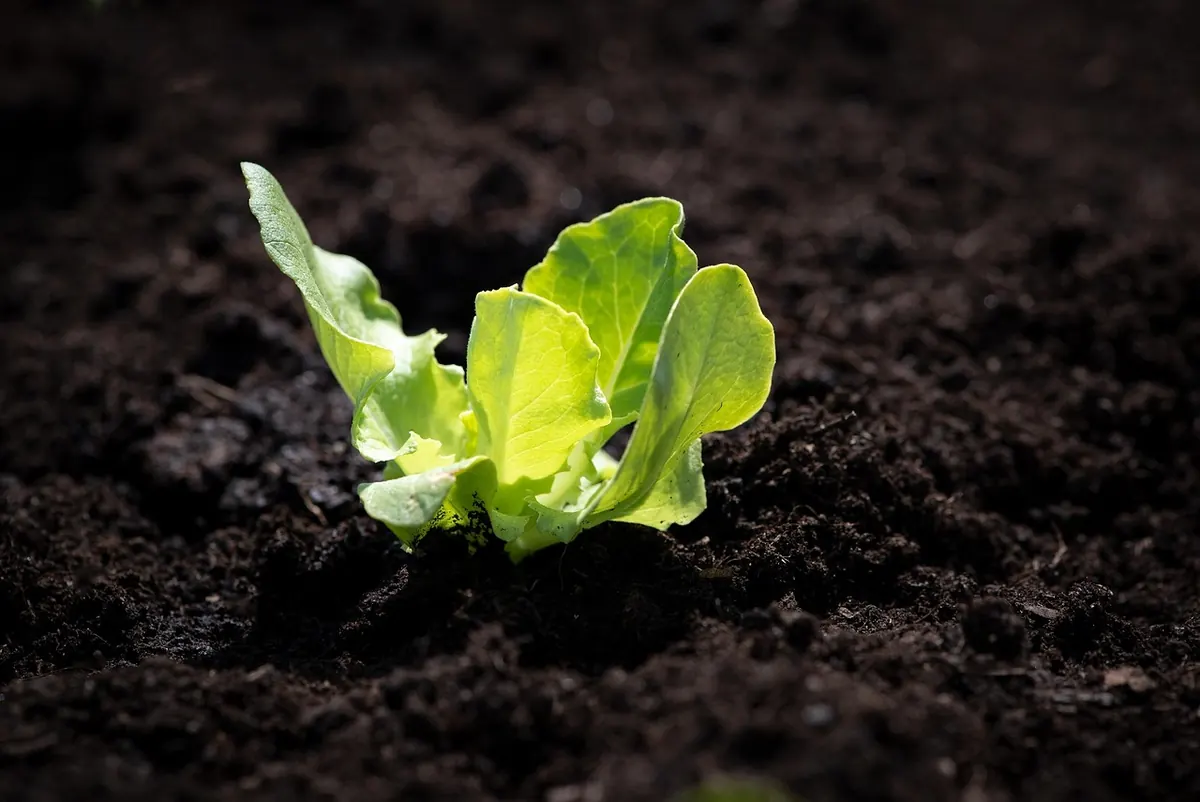
A two-metre border, a paved courtyard, a balcony that catches the afternoon sun: none of these rules out growing something worth eating. What usually goes wrong in small UK gardens isn't space, it's scale. Sowing half a packet of courgette seed into a bed the size of a doormat, or buying six tomato plants when three would have cropped better, is how a promising plot becomes a crowded, disappointing one.
The advantage of a small garden is that it's manageable. You can water the whole thing in ten minutes, spot a cabbage white caterpillar before it strips a plant, and throw a single sheet of fleece over everything when frost is forecast. What follows is how to choose crops that will reward you, how to grow them in beds and containers, and how to work with a British growing season rather than against it.
Pick crops that forgive a beginner
Some vegetables are relaxed about conditions and keep producing even when you forget them for a few days. Others sulk at the first sign of neglect. Start with the forgiving ones and you'll build confidence — and soil — for the fussier crops later.
A reliable shortlist
- Salad leaves — cut-and-come-again mixes crop within weeks and regrow after cutting
- Radishes — ready in around four weeks, ideal for filling gaps between slower crops
- Courgettes — one plant is genuinely enough for a household; two is a glut
- Climbing French or runner beans — heavy croppers that grow upwards, saving ground space
- Chard and spinach — tolerant of light shade and worth picking leaf by leaf
- Beetroot and spring onions — easy from seed, happy in beds or deep containers
- Herbs — mint, chives, thyme and parsley earn their keep in pots by the door
What to leave for year two
Cauliflower, celery, aubergines, melons and Brussels sprouts demand steady moisture, long seasons or careful pest control. They're rewarding once you know your plot, but they're a frustrating place to begin.
Read your light before you sow
Spend a sunny day noting where the shadows fall. A south-facing bed that gets six hours or more of direct sun will grow tomatoes, chillies, courgettes and beans. A north-facing border, or one shaded by a fence for most of the day, suits salad leaves, chard, spinach and most herbs — these will bolt or sulk in baking heat anyway. East-facing ground gets gentle morning sun, which leafy crops prefer; west-facing spots are warm but often windy, so choose sturdy plants or provide a little shelter.
If you only have one sunny corner, give it to the crops that need heat to ripen. Leafy vegetables will cope almost anywhere else.
Raised beds: worth the effort
A raised bed solves most of the problems small gardens throw at you: poor or heavy clay soil, bad drainage, and the temptation to walk across your growing space. Build or buy one no wider than 1.2 metres so you can reach the middle from either side, and around 20 to 30 centimetres deep. Leave paths of at least 40 centimetres between beds — narrow paths feel efficient in spring and become a nuisance by August.
Fill the bed with a mix of garden soil and well-rotted compost or manure, and top it up each spring rather than digging it over. Soil in a raised bed warms earlier in the year, drains freely and stays loose, which suits almost every vegetable. If you're on a paved yard, stand beds on a membrane to stop weeds coming through the base.
Containers, done properly
Most container failures come down to one thing: the pot is too small. Little pots dry out fast, heat up quickly in sun and leave roots nowhere to go. Go bigger than feels necessary.
- Salad leaves and herbs: around 15 to 20 centimetres of compost depth
- Spring onions, radishes, short-rooted carrots: 25 centimetres
- Bush tomatoes, chillies, peppers: a 30 to 40 centimetre pot per plant
- Potatoes: a proper growing bag, filled in stages as the shoots appear
Use a peat-free multipurpose compost, mix in some grit or bark for drainage, and make sure every container has holes. Container plants rely entirely on you for food and water, so water in the morning — aiming at the soil, not the leaves — and start feeding with a tomato feed once flowers appear. A layer of compost or grass clippings on top of the pot slows evaporation noticeably.
Making the British climate work for you
Our growing season is long but unreliable, which is easier to handle once you stop fighting it. Frost is the main risk: in much of southern England the last frosts tend to fall in mid to late May, while northern and upland areas can see them into early June. Check your local forecast rather than trusting a date, and use fleece or a cloche to buy yourself a couple of weeks at either end of the season.
Rain is the other factor. British summers alternate between drought and downpour, so improve drainage in heavy soil with compost and mulch beds to hold moisture through dry spells. Damp, still conditions also suit slugs, which do more damage to young seedlings than anything else in a small plot. Water in the morning so the surface dries during the day, clear fallen leaves and old pots where slugs hide, and go out after dark with a torch to remove them by hand — unglamorous, but effective.
Finally, sow little and often. A short row of salad leaves every three weeks gives you a steady supply; one long row gives you a fortnight of glut followed by nothing.
Getting more from a small plot
Once your beds are working, squeeze more from them. Grow upwards: climbing beans, peas and cucumbers on wigwams or against a sunny wall use vertical space that would otherwise be wasted. Intercrop quick crops such as radishes and lettuce between slow ones like brassicas, harvesting the fast ones before the slow ones need the room. Follow an early crop of salad with a late sowing of spinach or winter salad leaves. And pick regularly — beans, courgettes and chard all keep producing only if you keep cutting.
Your first season, step by step
Start small and finish the year with a plot you can still manage. In spring, fill one raised bed or three large containers with fresh compost. Sow salad leaves, radishes and chard directly, and start a couple of courgette and tomato plants indoors on a bright windowsill. Harden them off gradually before planting out once frost has passed. Water in the mornings, feed the hungry crops weekly, and keep picking. By September you'll know which corner is sunniest, where the slugs gather and what you actually enjoy eating — which is the real foundation of a productive small garden.
Photo: Pezibear / Pixabay